Our materials.
Aluminium
7.57 weight% Aluminum is the third most abundant element in the earth’s crust after oxygen and silicon, making it the most common metal.
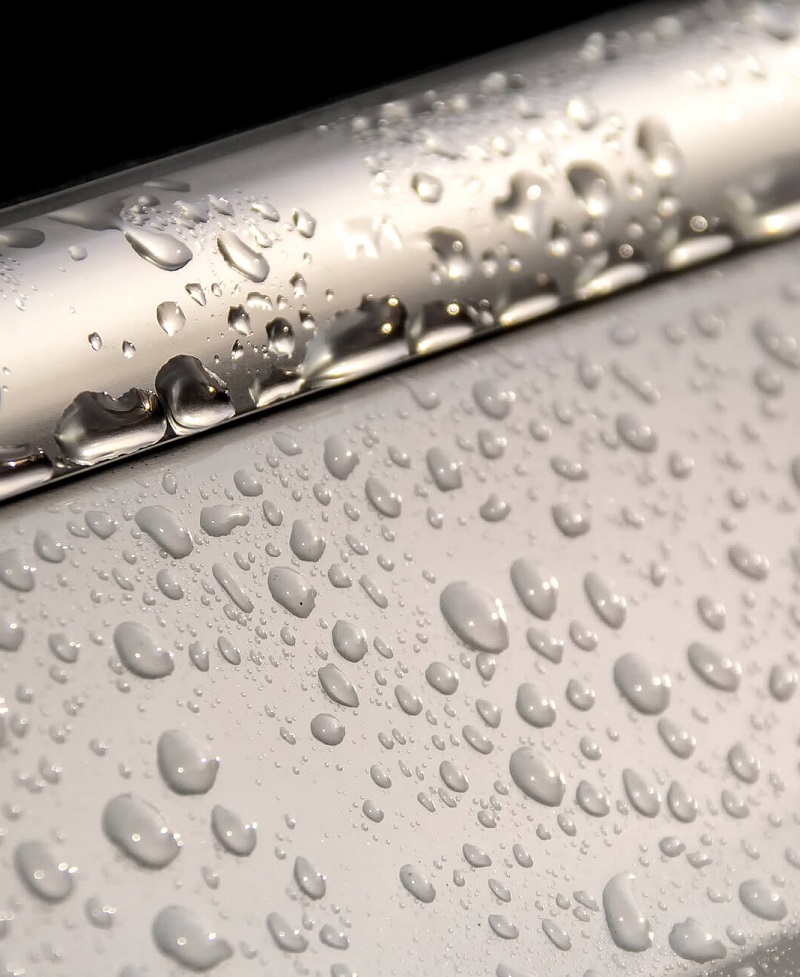

Profiles
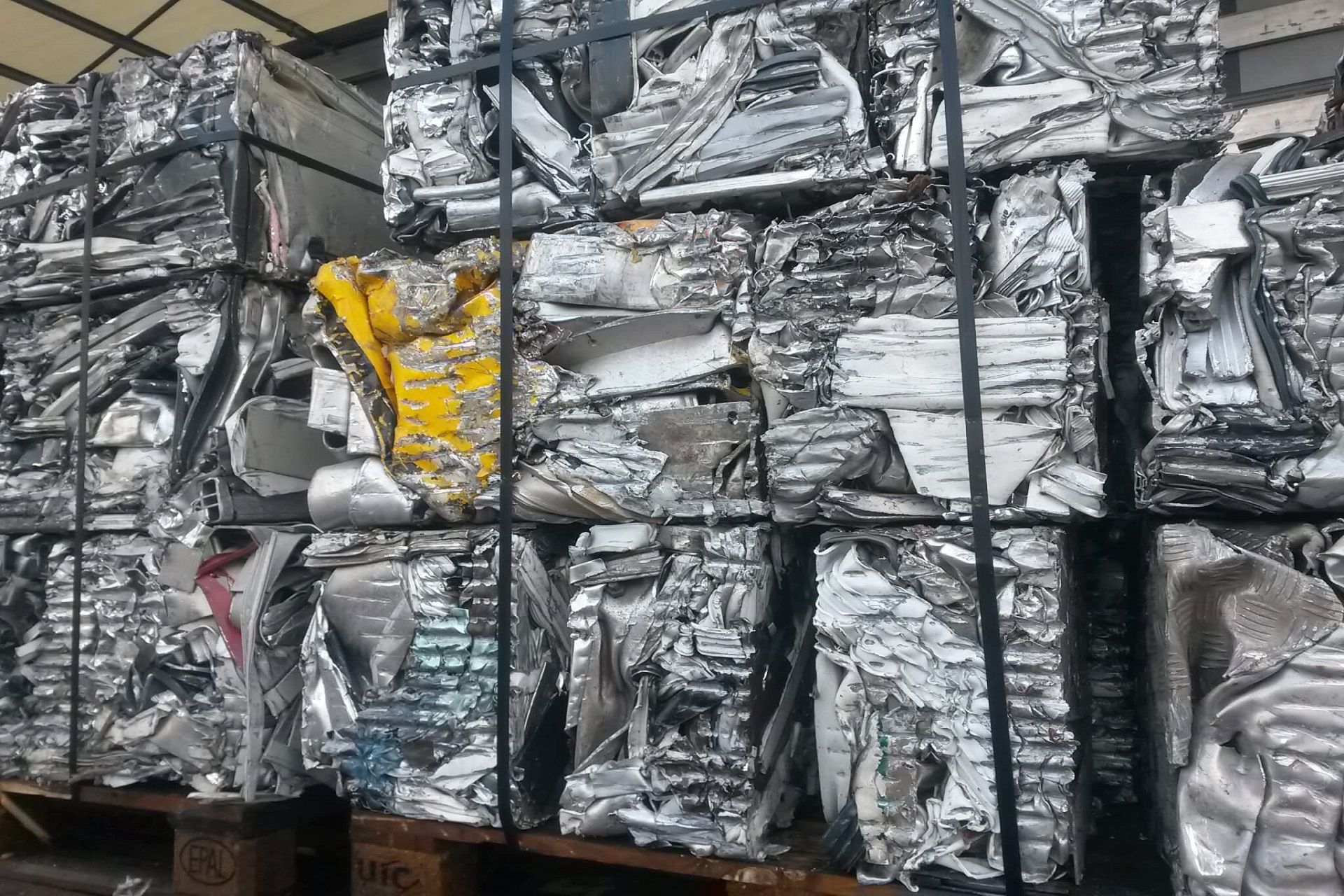
Taint Tabor
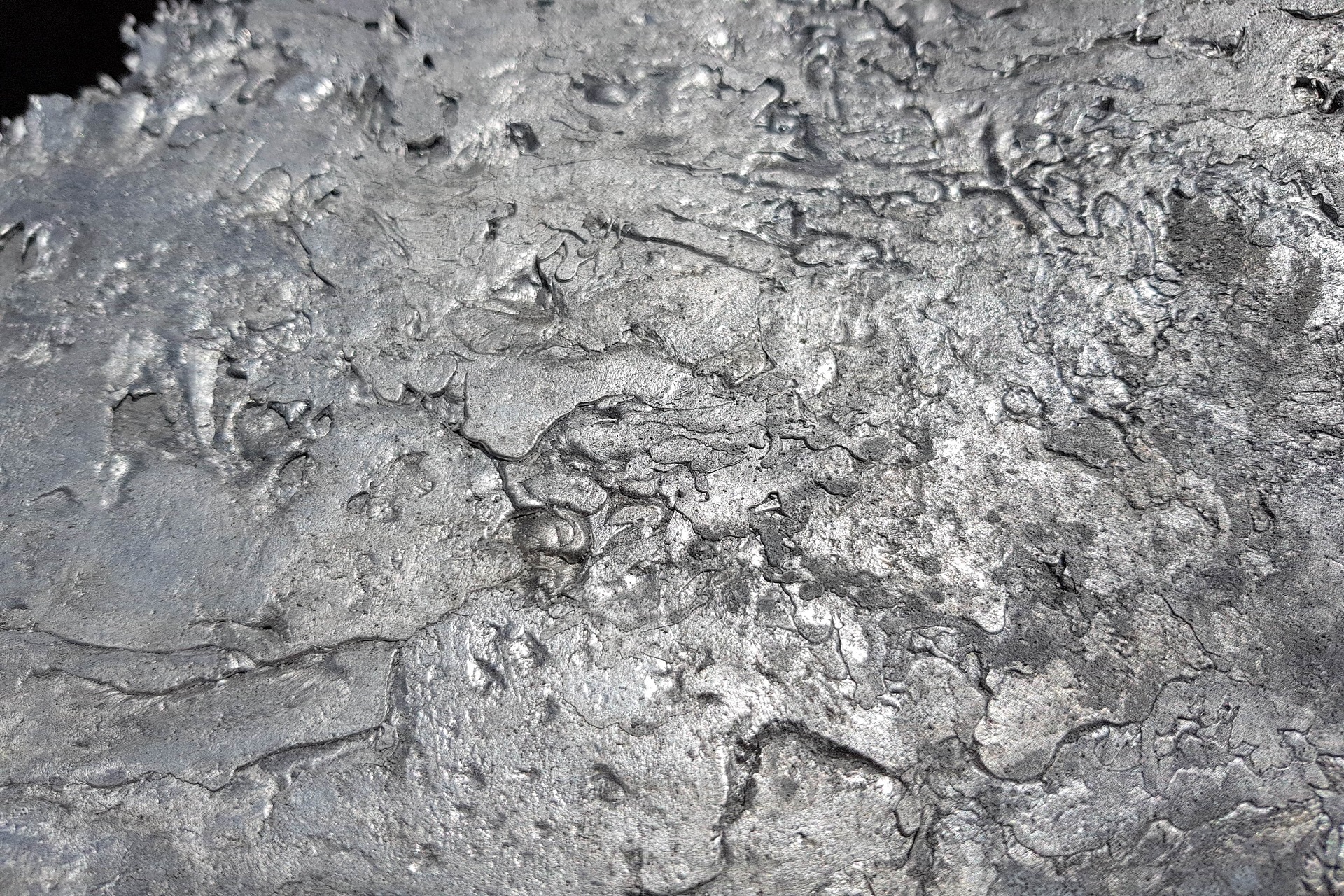
Skimmings
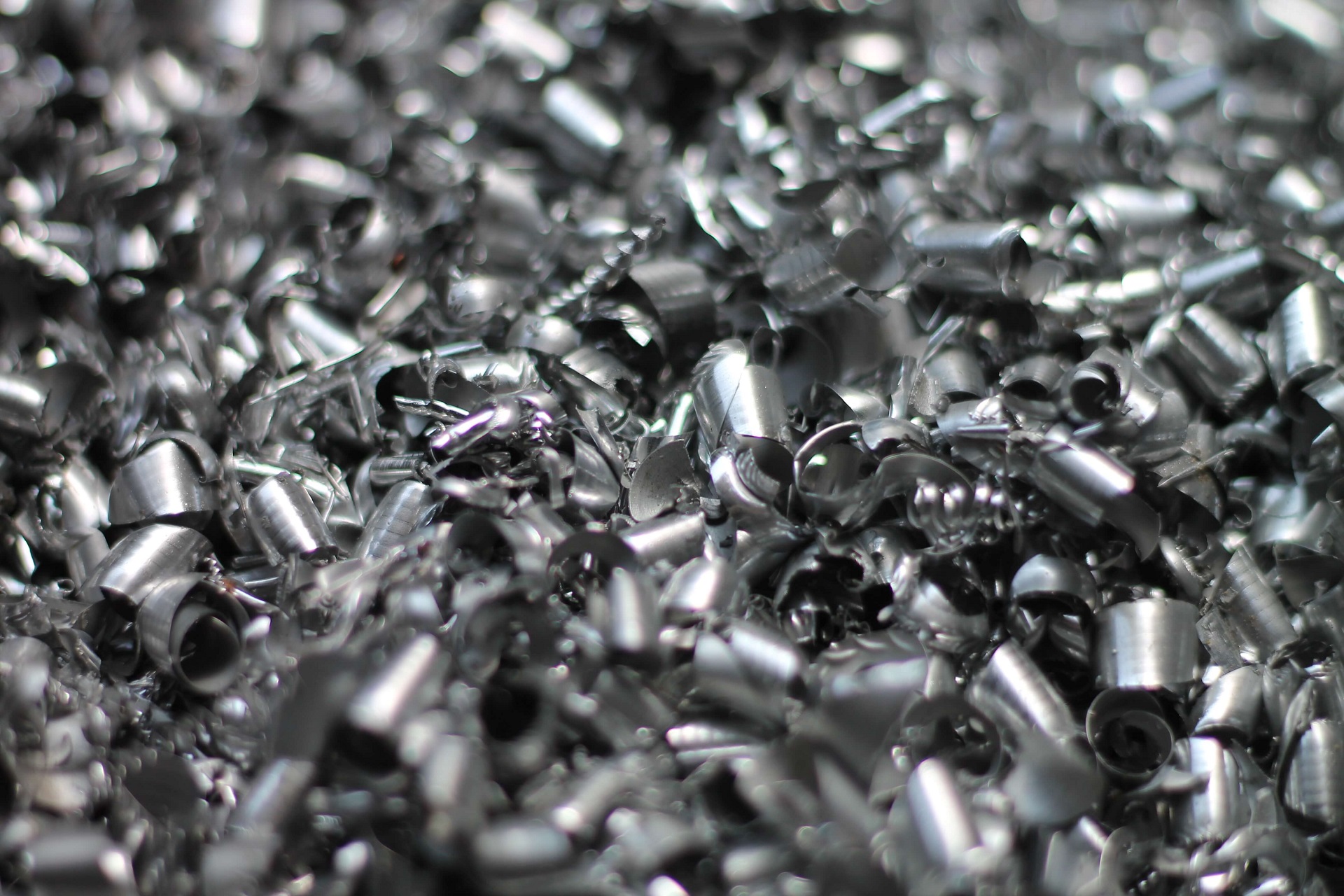
Turnings
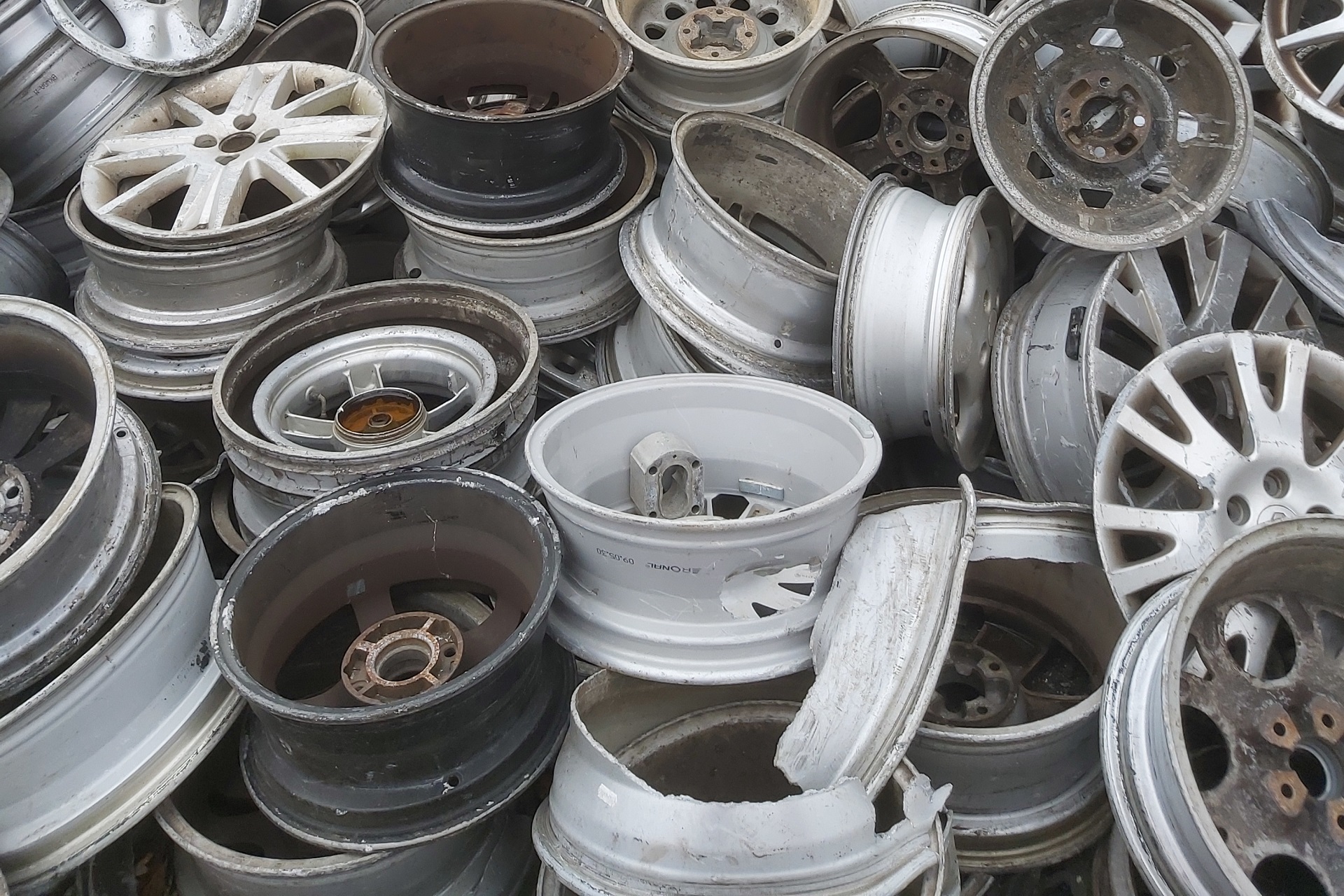
Wheels
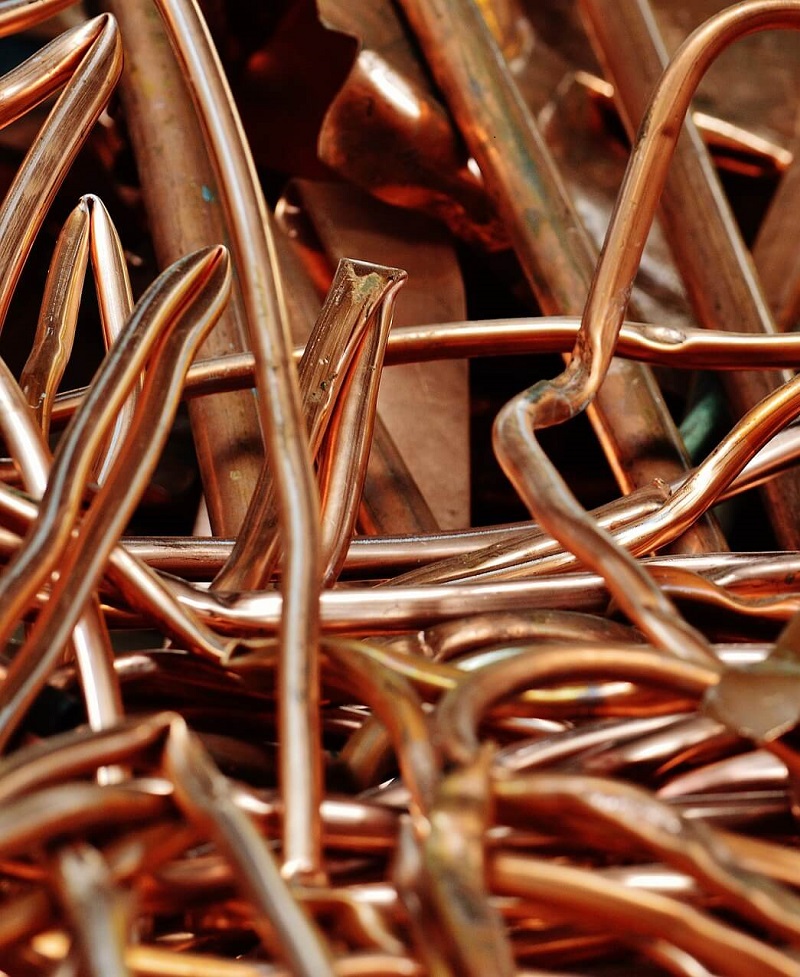
Copper
Almost 80 % of the copper mined to date is still in use. Copper is a 100 % recyclable metal.
Brass
Brass is an alloy of copper and zinc. It has long been a popular material for decoration due to its bright, gold-like appearance. It has also been widely used to make utensils due to properties such as having a low melting point, high workability, durability, and electrical and thermal conductivity.
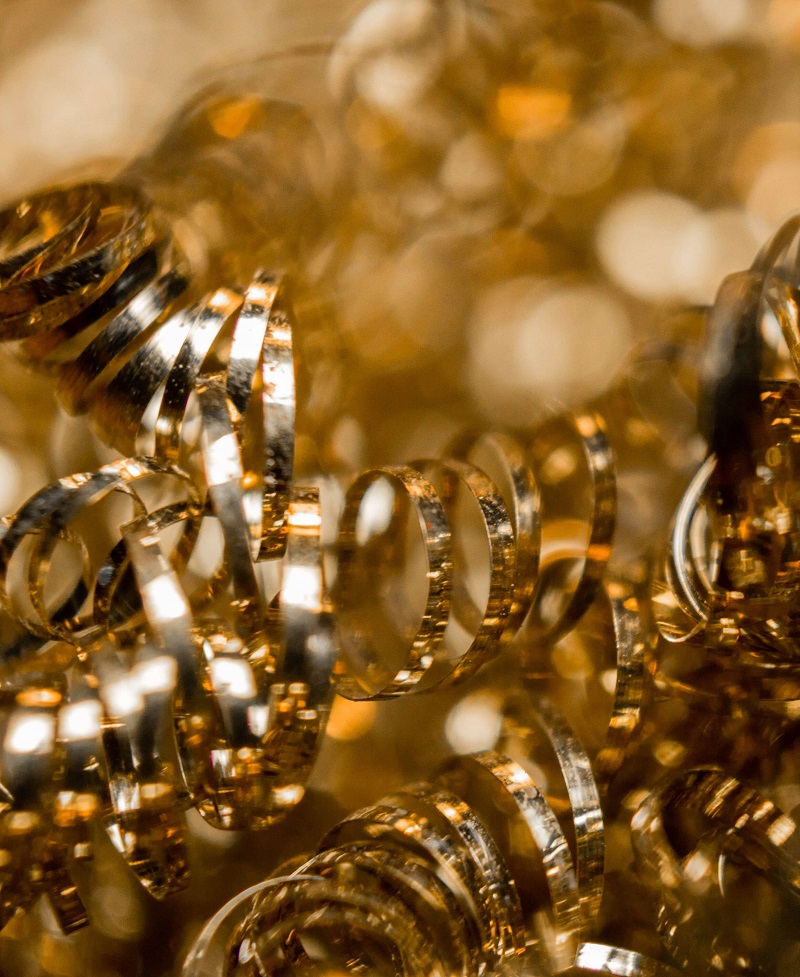
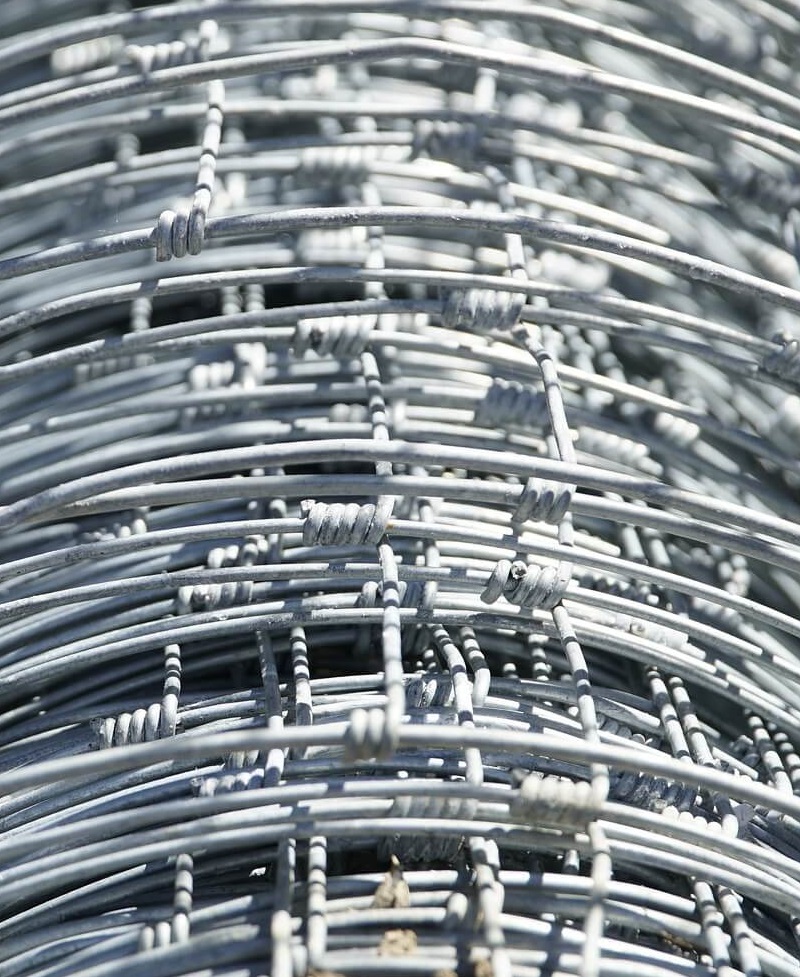
Zinc
Zinc is a bluish-white, lustrous, diamagnetic metal, though most common commercial grades of the metal have a dull finish. Zinc makes up about 75 ppm (0.0075%) of Earth’s crust, making it the 24th most abundant element.
Stainless steel
Stainless Steel is a group of ferrous alloys that contain a minimum of approximately 11% chromium, a composition that prevents the iron from rusting and also provides heat-resistant properties. Resistance to corrosion and staining, low maintenance, and familiar luster make stainless steel an ideal material for many applications where both the strength of steel and corrosion resistance are required.
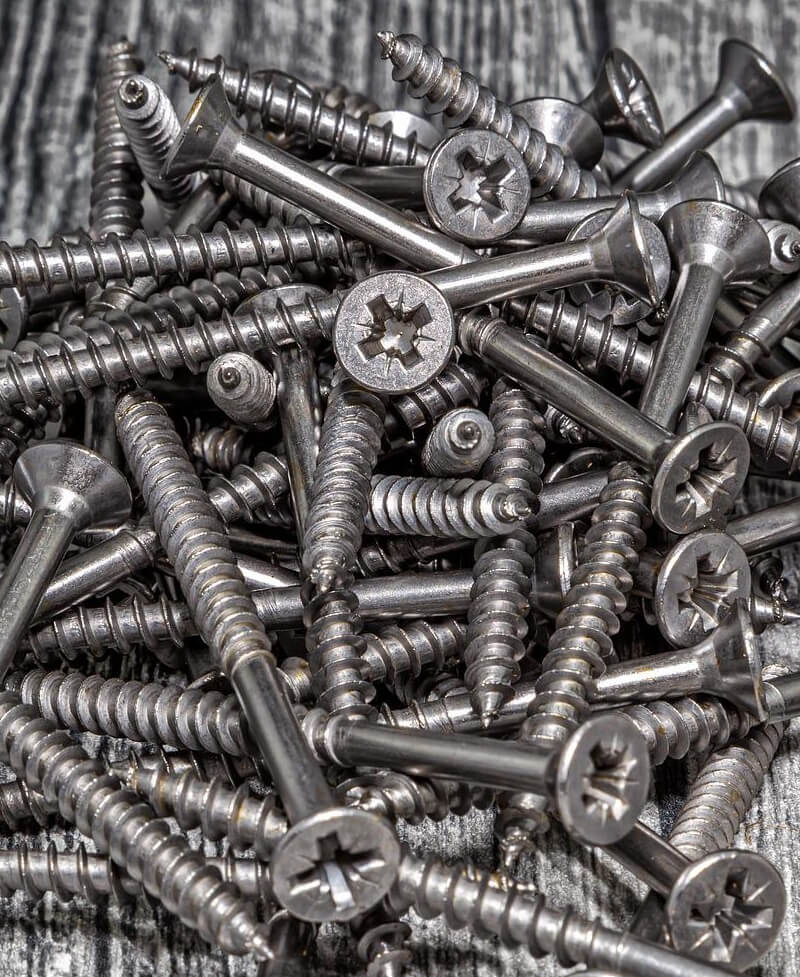

Electronic scrap
We can find precious metals, such as gold, silver or platinum in electronic scrap . Unfortunately it is still difficult to recover them efficiently. Electronic scrap may also contain dangerous elements, such as mercury, arsenic, lead or cadmium. This is why it is so important to sort and recycle this kind of scrap.
Mixed metals
In this section we include all mixed materials which are difficult to categorize.
